RV furnace repair in Phoenix
Valley nights in December and January often fall into the 40s, colder out in the desert, and that's when winter visitors find out the furnace hasn't run since last year. It starts in a fixed order, and knowing that order tells you where it stopped.
The tech drives out to wherever the RV sits — at home, in storage or at an RV resort.
Smell propane? Get everyone out of the RV, shut the tank valve if you can do it safely, and call 911 once you're well away from it.
Where it stops
An RV furnace starts in a fixed order. The thermostat asks for heat, the blower spins up, a sail switch closes once enough air moves, the board sparks the burner and a sensor confirms the flame — after a few failed tries the board locks out. Most no-heat calls stop at one of these steps.
- Nothing happens
No click, no fan. Thermostat setting, its batteries, the furnace fuse or a dead house battery.
- Fan runs, never lights
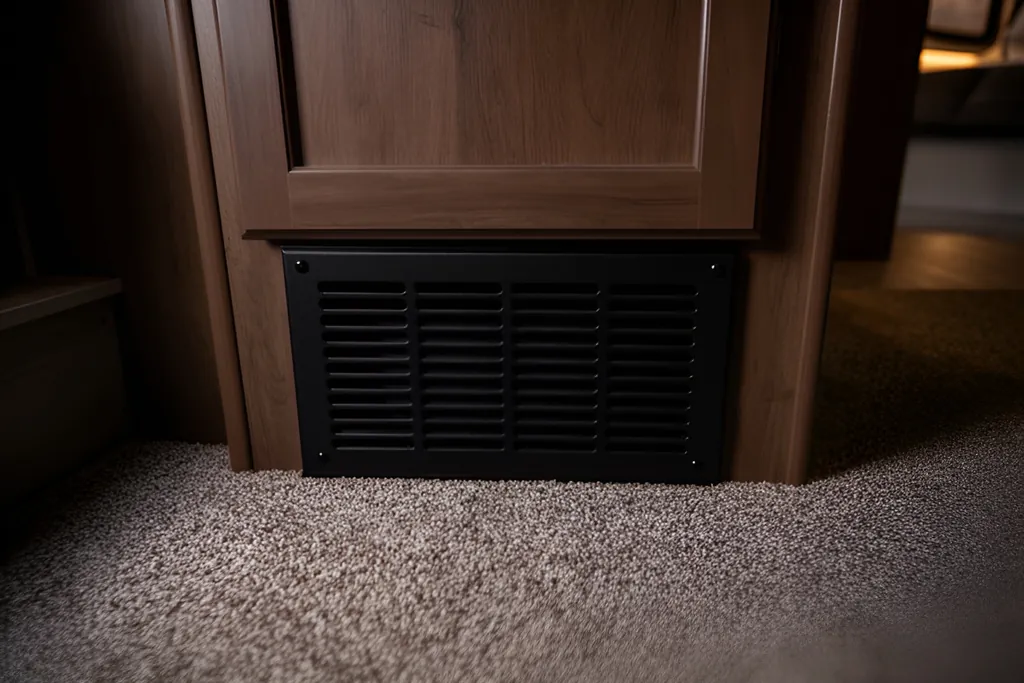
Low propane, air in the gas line after a refill, low battery voltage that keeps the blower too slow for the sail switch, or a blocked return air grille.
- Lights, then shuts off
A weak flame sensor signal, an overheating limit switch from blocked ducts, or a dirty burner.
- Blows cold air for a long time
The board is trying and failing to light. After a few tries it gives up while the fan keeps running.
Safe checks before you call
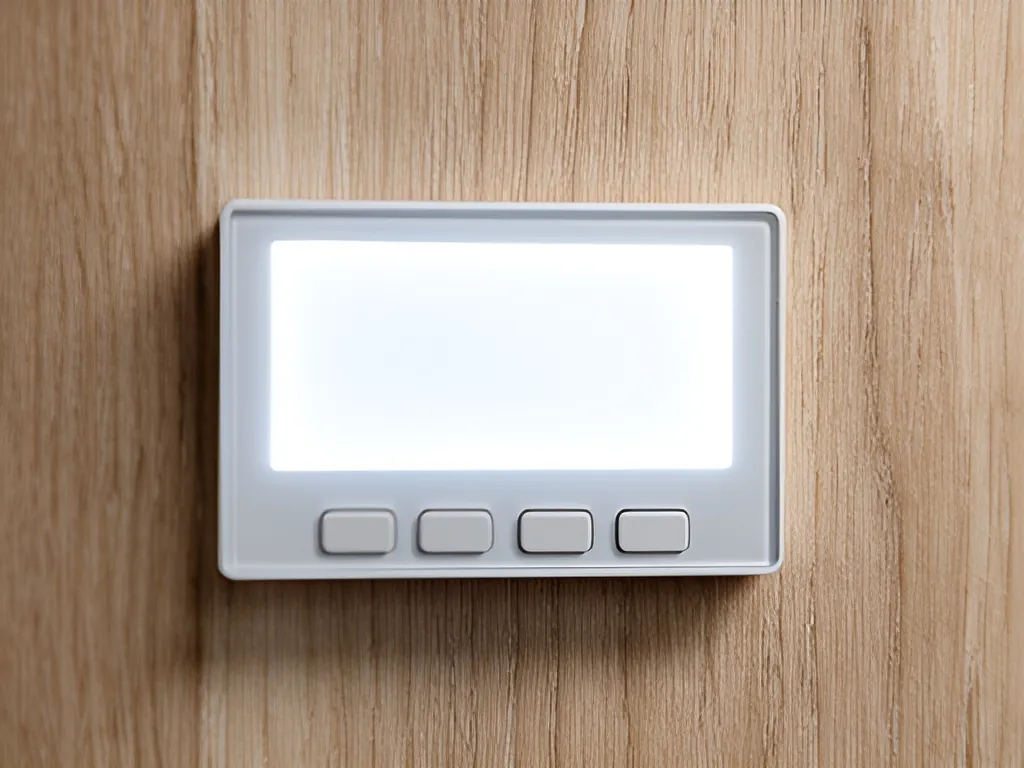
- ThermostatSet it to Heat (or Furnace on combined units) and a few degrees above the room. Replace its batteries if it has them.
- PropaneLight a stove burner. If it won't stay lit, the tank is low or there is air in the line — let the stove run a minute to purge it.
- Battery voltageThe blower needs a healthy 12-volt supply. Plug in or start the generator and try again.
- Grilles and ventsKeep the return grille clear of bags and blankets. Outside, look for nests in the intake and exhaust vent.
What the technician does
They follow the same sequence with a meter: voltage at the board, blower speed, sail switch, limit switches, gas pressure at the valve, spark, flame sensing. They clean the burner and the combustion chamber and check the ducts for crushed or disconnected runs.
Furnaces that sit through a Phoenix summer often wake up with dust in the burner and a nest in the vent — both cheap to fix once found.
Propane work — gas lines, the regulator, valves and burners — is a job for a technician trained on RV propane systems. Ask about their training before the work starts.
What it costs
| Job | Usual cost |
|---|---|
| Igniter or electrode | $150–450 |
| Sail switch or limit switch | $150–400 |
| Control board | $250–800 |
| Blower motor | $300–800 |
| Gas valve | $300–600 |
Source: Camping World, “RV Furnace Repair Cost Guide”, October 2026.
Ballpark for 2026, not a quote. The technician sets the actual price after looking at your RV.
Ranges from a national 2026 guide. Expect a trip or diagnostic charge on top; ask about it when you book.
Numbers last checked November 2026.
Owners also ask
Why is my RV furnace running but not igniting?
Usually not enough propane reaching the burner, low battery voltage, or a sail switch that doesn't close because air can't move. After a few failed tries the board locks out and only the fan runs.
Can I run the furnace all night on battery?
You can, but the blower draws a fair amount of power. On a small or older battery bank it may drain by morning, and low voltage then stops the furnace. Plug in if you can on cold nights.
Is a space heater a safe backup?
An electric heater on shore power is fine if it has tip-over protection and nothing is close to it. Never heat with the stove or oven.
Get a mobile tech
Only your phone number is needed. Whichever tech picks up the job phones you.